Posts

Showing posts with the label Instagram

A digital tattoo that can't be removed

Image
We all have photos and moments from our past we'd rather forget. They show up online when we least expect them, like an un-scrubbable digital tattoo. On Facebook. On Instagram. On Twitter. Mine aren't as bad as others. I once played John Hancock in a community theatre production of 1776 . And despite my best efforts, a photo of me in that powdered wig surfaces every now and then. (It could be worse; it's not a photo of me with my own hair.) It's a digital shadow I can't elude. But it likely won't affect my professional reputation. Unless it appears on LinkedIn. Jian Ghomeshi photo by Canadian Film Centre from Toronto, Canada (ideaBOOST Launch Pad May 8, 2014) [CC BY 2.0], via Wikimedia Commons I'm better able to move forward from that awkward powdered-wig image than  Jian Ghomeshi, the former CBC radio host whose career imploded when, in 2014, multiple women accused him of harsh sexual behavior. CBC dismissed Ghomeshi from his talk program "Q...

Are you a visual carpet bomber?

Image
By Greg Rakozy (www.instagram.com/grakozy), via unsplash.com More than one friend of mine likes to post photos to Facebook. Photos of their travels. Snapshots from their parties. Lots of photos. Every. single. photo. Like a sky full of stars, that's too much to absorb. What's worse? Often, they're near-identical images -- group shots of three or four people, taken moment by moment, with little change of gesture or expression. Or the dreaded BOH (backs of heads). Not action photos, which might call for a rapid-fire sequence of images. Just group photos. People grinning for the camera. Do we need to see four, five, or six iterations of the same snapshot? No. That's unfair to everyone who follows you. Sure, social media is a visual medium. Visual communications, from infographics to vlogs, are the common currency of the internet. And, one outcome of citizen journalism and the proliferation of smartphone cameras is that people take countless photos. This isn...

Embracing hyperspace, or not

Image
A headline that failed: "have you embraced the new Instagram Hyperspace app yet?" By Braden Kowitz (Hugs!) [CC-BY-SA-2.0 (http://creativecommons.org/licenses/by-sa/2.0)], via Wikimedia Commons Seriously? Embraced ? First: you can call Instagram an app if you wish, but that's a misnomer. It's a thief. When you post an image, the metadata in your photo tells Instagram (and its corporate overlord, Facebook) where and when the image was created. Algorithms comb the image for clues about your buying habits and likes. The image's information becomes something InstaFacebook can re-sell to marketers. I don't embrace thieves. If anything, InstaFacebook has you in more than an embrace. It's got you in a headlock. Second, Hyperspace: compressed time-lapse videos that make the best footage look like it went through a cappuccino machine. I could do this with a $75 digital camera, but I prefer high-quality videos that lovingly showcase my scenes,...

Seeing isn't believing anymore

Image
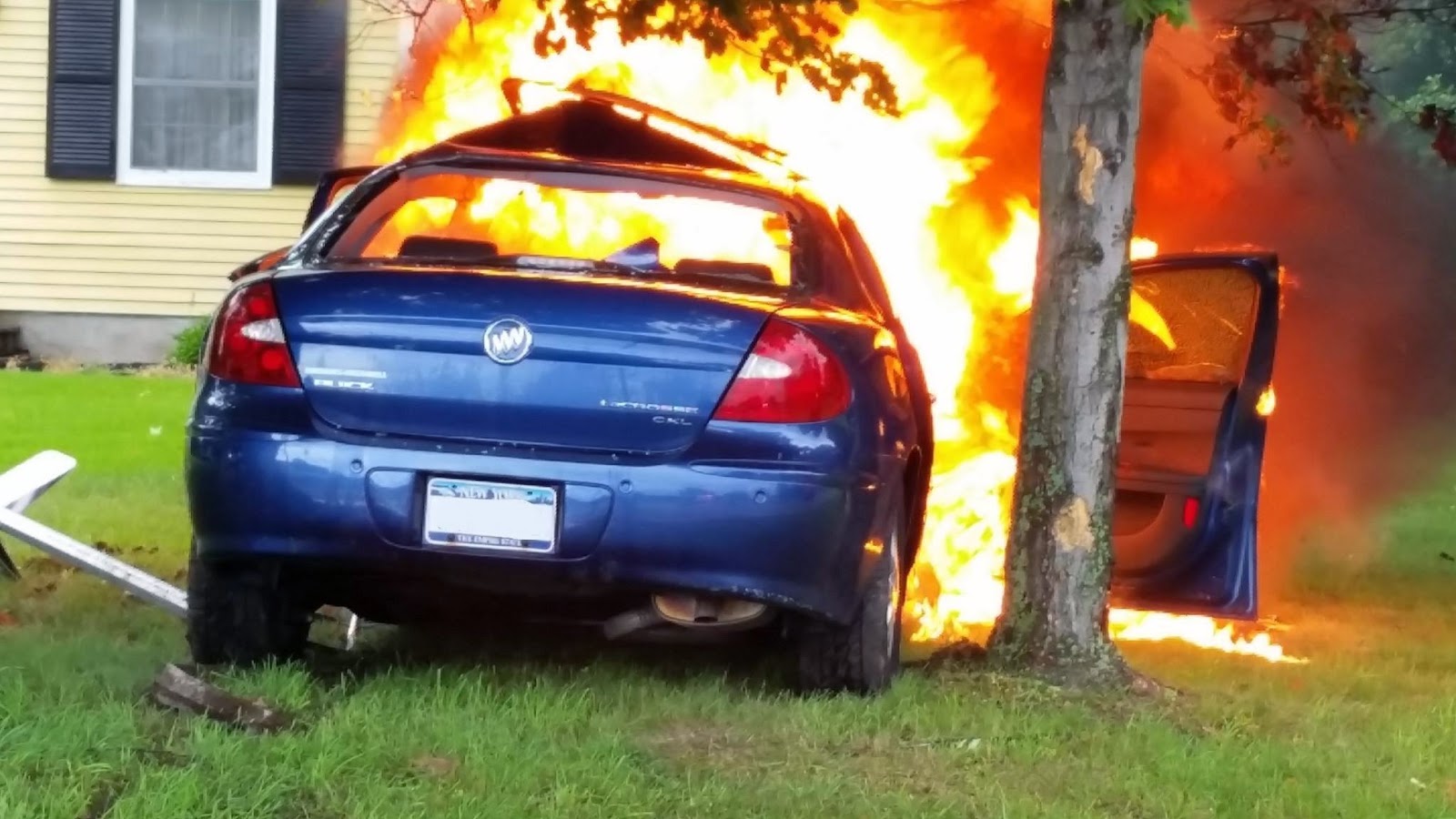
Photojournalists have been fired for altering news photos. Public relations people disseminate art-directed, staged, or Photoshopped publicity photos. Somewhere in-between: crowdsourced photos used online by news media. Local TV and newspaper staffs are pretty lean, so they solicit photos from viewers and readers. Asking readers and viewers to send photos is a handy way to engage your audience but there's risk involved. A scheming news junkie with a smartphone could contrive an image, although most editors are wise enough to spot a faked photo. But what happens when a news outlet alters a submitted news photo for no apparent reason? Look carefully at these two images, posted by two competing TV news outlets on their websites. Both show a burning car, from which the driver was rescued. A closer look reveals a subtle alteration between the two shots. For unexplained reasons, the first news outlet omitted the license plate numbers. The second news channel ran the photo with...

Photography made difficult

I don't have an Instagram account. But I have friends in the public relations industry who do, and use them often. They're smart professionals. So I assume they realize that Instagram doesn't make money by hosting their gee-whiz edited photos of their trip to Savannah. It makes money by harvesting data from photos, including the metadata it contains. Your smartphone's camera adds metadata to your photos. It knows where and when you captured the photo. The exposure, the brand of camera, etc. And I'm certain Facebook -- owners of Instagram, you'll recall -- understands how to sift out important information from your photos. And re-sell that information to its advertisers. The PR business is about influencing people's attitudes. What do you and I care about? How can PR people and marketers use that knowledge to influence users' attitudes and behaviors? I'm not a fool. Google does this sort of data-mining with all my searches. When I was looking ...

Getting your arms around road show photos

Image
A marketing communications executive is doing a "road show." Marv and his team are holding learning events for customers in different cities, combining useful seminars and workshops with a little client hospitality. A major ingredient of public relations is, in fact, food and relaxation. It's a great way to build relationships. Hand out all the screen-wipes and memo clips you like, but most clients and business partners enjoy a beverage, snacks, and some chit-chat in an atmosphere without white boards. What's wrong with this scenario? The marcom exec leading this adventure occasionally posts photos of himself relaxing with co-workers. Most of whom appear to be happy women. Sometimes, there's hugging or arms-around-a-shoulder. And, as smart as I know Marv is, I keep asking: "Doesn't he know the message these snapshots send?" The Clock of Nations at Rochester NY Airport The message I get from his photos: Marv's having too much fun on hi...