Posts

Showing posts with the label reporter

Your daily firestorm -- or not

Image
By U.S. Navy photo by Photographer’s Mate 2nd Class Aaron Peterson. [Public domain], via Wikimedia Commons As communicators, words are our currency. And lately, it feels as if we've been using counterfeit currency to grab readers and viewers. It's time for news writers and video pundits to change the way they use metaphors borrowed from authentic disasters and conflict. PR copywriters, too, although if we're at all sensitive, we won't describe a new product "exploding" across the marketplace. I hope. Last week, one of the presidential candidates flailed in the week's news coverage. Countless newsreaders said he had ignited a "firestorm" by lashing out at a Gold Star family that criticized him. A few days later, another story talked about a controversy "exploding" across the nation's newspapers. Firestorm? Get serious. A real fire storm is a wild fire of great intensity. It's something to be fought, and firefighters'...

A good story never dies

Image
A professional organization had news to share: one of its members had recently earned a U.S. patent for a breakthrough, and they asked a PR practitioner to help publicize the patent. The response? "Oh, we did that story five years ago. Maybe we can just write a blog post." Diego Grez [CC BY-SA 3.0 (http://creativecommons.org /licenses/by-sa/3.0)], via Wikimedia Commons True, the inventor had applied for a patent more than five years ago. It wasn't exactly a new story. Patents often take years between filing and approval. But the PR person's dismissive reply neglects a few of today's realities. There wasn't a vast social media universe to sell that story, five years ago. There wasn't the intense industry focus on this particular technology that exists today.  And many of the people who could take advantage of the new technology were still undergraduates. And today's journalists who'd cover the story might find it all-new. Th...

Rule Number One: Do Not Lie to the Media

Image
Like Gibbs on TV's NCIS, I have a few rules. They do not involve serving as a Marine sniper, but they'll work in most public relations circumstances. Here's my top ten: Rule No. 1: Don't lie to the media.  Rules 2-10: Don't lie to the media.  Journalists have access to a printing press. A broadcast signal. A website. Social media. And, when wronged, reporters will not hesitate a moment to use them. Especially if reporters are lied to. Nothing says this better than the article at the following link, courtesy of PR entrepreneur Peter Shankman: http://www.longislandpress.com/2014/04/02/my-squashed-interview-with-steve-madden-shoe-guru-turned-ex-convict/ Lesson: if you're a PR person and your client asks you to lie, hand him/her your phone. Ask the client to do the fibbing. Maybe his reputation can handle it. Yours can't.

Media relations you can afford

Image
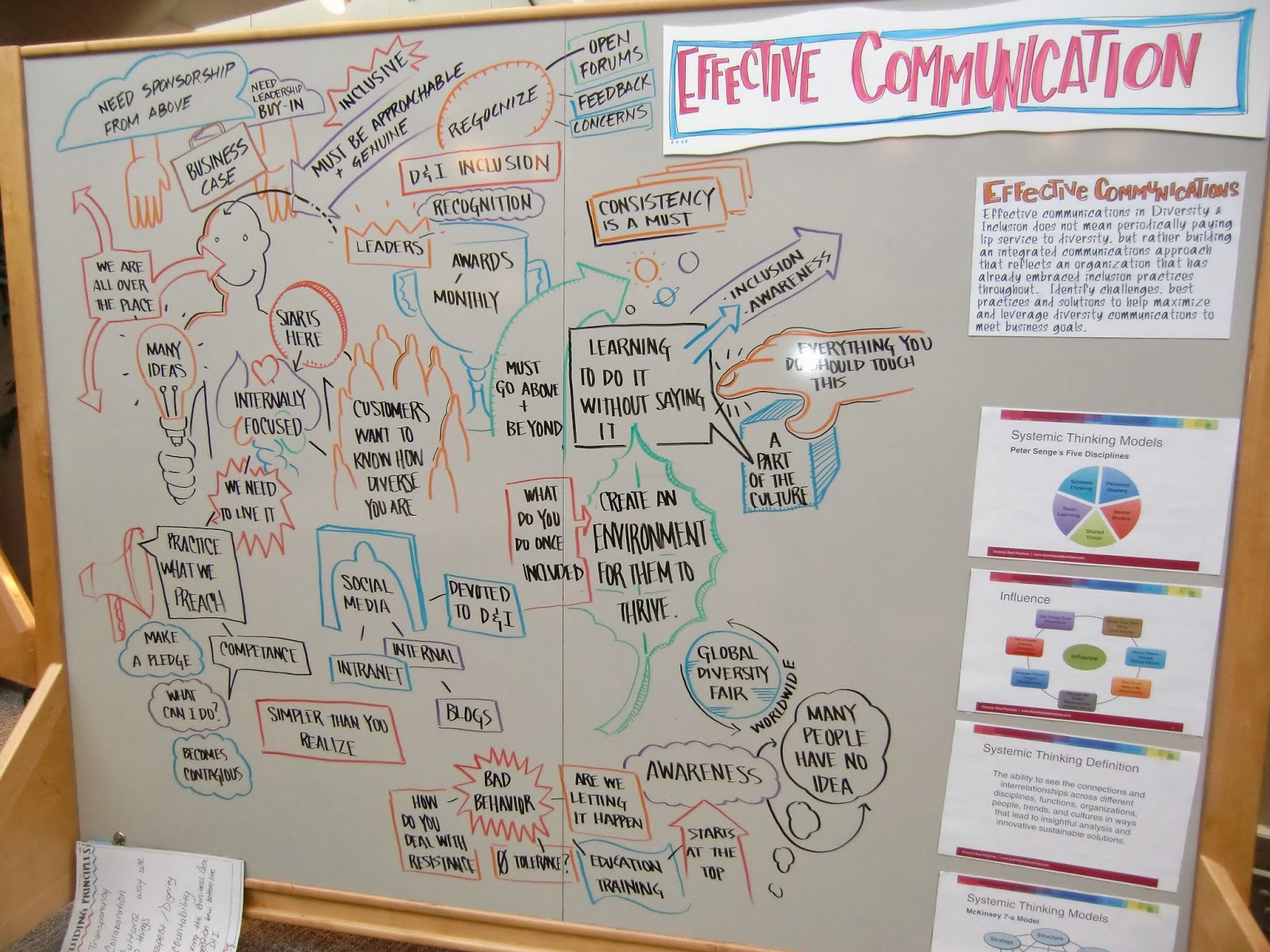
My budget won't permit me to join the PRSA conference in New York City in Apri l. You could learn a few good techniques there. But I may be able to save you a few dollars, the joy of air travel, and the challenge of reading notes on a whiteboard with these media relations practices that seem to work for me: Get to know the reporters and editors you want to reach . Many still cover beats, such as education, crime, health care, personal finance, and more. You wouldn't pitch a health care story to a sports reporter, so do a Google search on a reporter's byline. If she covers biotech topics and your client has some expertise, there's a potential match. Twitter's real value in public relations? You can listen to anybody. Many journalists tweet about the stories they cover, and when they're in need of an interview subject. Don't 'stalk' a reporter, but do listen. Tie in with a trend.  Media gatekeepers think in terms of rating periods and packages. ...